June 30, 2026
As a parent, it can be difficult to know exactly when your child should see an orthodontist or whether braces are necessary. Some children show obvious signs of crooked teeth or bite problems early on, while others may appear to have straight teeth but still have underlying orthodontic concerns. Understanding the right timing for an orthodontic evaluation can help your child avoid more complex dental issues later in life.
At Kragor Orthodontics, parents often ask whether there is a “perfect age” for braces. The truth is that every child develops differently, and orthodontic treatment recommendations depend on individual growth patterns, tooth eruption, and jaw development. Early evaluations help orthodontists identify concerns before they become more serious, making treatment more efficient and comfortable in many cases.
What Age Should Children First Visit an Orthodontist?
The American Association of Orthodontists recommends that children have their first orthodontic evaluation around age 7. While this may seem young, most children at this age have a combination of baby teeth and permanent teeth, allowing orthodontists to identify developing issues early.
An orthodontic evaluation at age 7 does not mean your child will need braces right away. In many cases, the orthodontist simply monitors growth and development over time. However, early visits can detect concerns such as:
- Crowded teeth
• Crossbites
• Overbites or underbites
• Jaw growth problems
• Thumb-sucking effects
• Teeth erupting in the wrong position
• Spacing issues
Early detection gives orthodontists the opportunity to guide jaw growth and create space for permanent teeth if needed. Some problems are much easier to correct while a child is still growing.
At Kragor Orthodontics, early orthodontic evaluations are designed to provide parents with information and peace of mind. Even if treatment is not needed immediately, monitoring your child’s development can help ensure the best timing for future care.
Signs Your Child May Need Braces
Many parents assume braces are only needed when teeth look crooked. While alignment is important, orthodontic treatment also addresses bite function, jaw positioning, and long-term oral health. Several signs may indicate your child could benefit from braces or orthodontic monitoring.
One common sign is crowding. If permanent teeth appear twisted, overlap one another, or do not have enough room to erupt properly, braces may eventually be recommended. Crowding can make brushing and flossing more difficult, increasing the risk of cavities and gum problems.
Bite issues are another important concern. Children with overbites, underbites, crossbites, or open bites may experience difficulty chewing, uneven tooth wear, or jaw discomfort over time. These issues often become more noticeable as children grow.
Parents should also watch for habits and symptoms such as:
- Mouth breathing
• Frequent cheek biting
• Difficulty chewing
• Speech challenges
• Early or late loss of baby teeth
• Jaws that shift or make sounds
• Protruding front teeth
Sometimes orthodontic concerns are subtle and not immediately obvious. That is why routine dental visits and orthodontic evaluations are valuable during childhood development.
If your child has been referred by a dentist or is showing signs of alignment problems, scheduling a consultation for braces can help determine the best next steps for their smile and oral health.
When Do Most Kids Actually Get Braces?
Although orthodontic evaluations often happen around age 7, most children begin braces between ages 9 and 14. This age range is common because many permanent teeth have erupted, while the jaw is still developing and responsive to treatment.
The exact timing depends on several factors, including:
- The severity of the orthodontic issue
• Jaw growth and development
• Tooth eruption patterns
• Whether early treatment was completed
• The child’s overall oral health
Some children benefit from what orthodontists call Phase 1 treatment, which occurs earlier and focuses on guiding jaw growth or correcting significant bite concerns. After Phase 1 treatment, a child may still need braces later once all permanent teeth have erupted.
Other children may not need treatment until their early teen years. In these cases, waiting allows the orthodontist to address all alignment issues at one time.
Parents should understand that earlier treatment is not always better. Orthodontists carefully evaluate timing to ensure the most effective and efficient results. Starting braces too early can sometimes prolong treatment unnecessarily, while waiting too long may make certain problems harder to correct.
At Kragor Orthodontics, treatment recommendations are based on each child’s unique growth and dental development rather than a one-size-fits-all approach.
Why Early Orthodontic Evaluations Matter
Even when braces are not immediately necessary, early orthodontic evaluations can provide significant benefits. Monitoring development allows orthodontists to intervene at the ideal time if problems begin to progress.
Early intervention can sometimes reduce the need for more invasive procedures later. For example, guiding jaw growth early may help avoid permanent tooth extractions or jaw surgery in some cases. Addressing bite problems while children are still growing can also improve long-term stability.
Another benefit of early evaluations is improved confidence and comfort for parents and children. Knowing what to expect can make the orthodontic process feel less intimidating. Children who visit the orthodontist early often feel more comfortable when treatment eventually begins.
Parents also appreciate having a roadmap for future care. Instead of wondering whether braces are needed, they can receive professional guidance tailored to their child’s specific needs and development timeline.
Orthodontic care is about more than aesthetics. Proper tooth alignment and bite function contribute to oral health, speech, chewing efficiency, and overall comfort. Early monitoring helps support healthy long-term development.
Types of Braces and Orthodontic Options for Kids
Today’s orthodontic treatment options offer more flexibility and comfort than many parents remember from their own childhood experiences. Depending on your child’s needs, several types of braces or appliances may be recommended.
Traditional metal braces remain one of the most effective options for correcting complex alignment and bite concerns. Modern braces are smaller and more comfortable than older versions, making treatment easier for many children.
Ceramic braces may be recommended for some older children or teens who want a less noticeable appearance. These braces function similarly to metal braces but use tooth-colored ceramic.
Clear aligners may also be appropriate for certain patients, depending on age, maturity, and orthodontic needs. Aligners require consistent wear and responsibility, so orthodontists evaluate whether a child is a good candidate before recommending them.
Some younger children may use expanders or other appliances before braces become necessary. These devices help guide jaw development and create space for incoming permanent teeth.
The right treatment depends on your child’s specific needs, growth stage, and orthodontic goals. A consultation with an experienced orthodontist can help determine the most appropriate option.
Helping Your Child Prepare for Braces
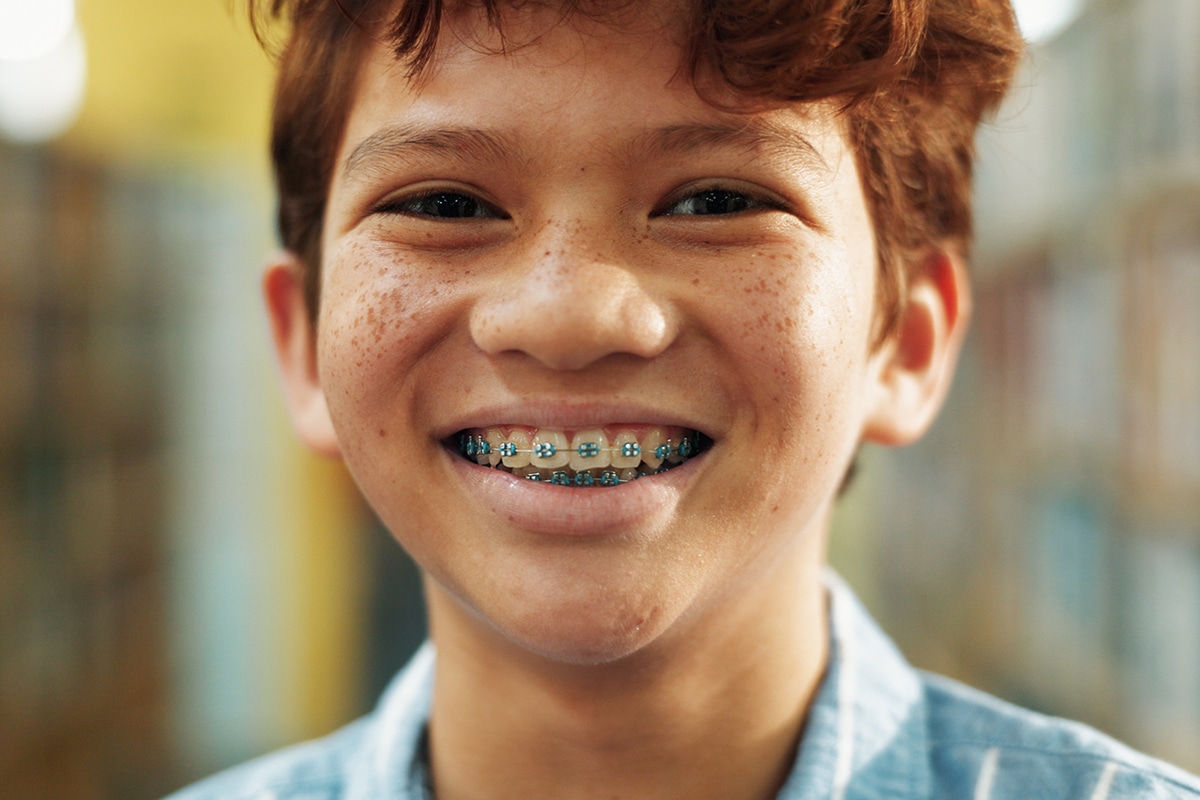
Many children feel nervous about getting braces, especially if they do not know what to expect. Parents can help make the process easier by explaining how braces improve oral health and create a healthier smile over time.
It is helpful to talk positively about orthodontic treatment and encourage your child to ask questions during appointments. Understanding the process often reduces anxiety and builds confidence.
Parents should also prepare for small lifestyle adjustments, including:
- Learning proper brushing and flossing techniques
• Avoiding sticky or hard foods
• Attending regular adjustment appointments
• Wearing rubber bands or appliances as directed
Most children adjust quickly to braces and continue participating in sports, school activities, and hobbies without major disruption. Orthodontic technology has improved significantly, making treatment more comfortable and efficient than ever before.
Encouraging good oral hygiene and following orthodontic instructions can help ensure the best possible results.
Supporting Healthy Smiles Through Every Stage
Every child’s smile develops differently, which is why orthodontic care should be personalized to their unique needs. Early evaluations, regular monitoring, and properly timed treatment can help children achieve healthier alignment, improved bite function, and greater confidence as they grow.
Whether your child needs early intervention or braces later during the teen years, understanding the age guidelines for orthodontic care helps parents make informed decisions. Working with an experienced orthodontic team ensures your child receives treatment at the right time for the best long-term results.
Frequently Asked Questions About Kids’ Braces
Does every child need braces?
Not every child will need braces, but many benefit from orthodontic evaluations to monitor growth and development. Some children naturally develop proper alignment, while others may require treatment to correct bite or spacing issues.
Is age 7 too early for an orthodontic consultation?
No. Age 7 is considered an ideal time for an initial orthodontic evaluation because enough permanent teeth have erupted to identify developing problems. Most children do not begin braces immediately at this age.
How long do kids usually wear braces?
Treatment time varies depending on the complexity of the orthodontic issue and the child’s growth. Many children wear braces for 12 to 24 months, although some cases may be shorter or longer.
Can braces fix bite problems?
Yes. Braces are commonly used to correct overbites, underbites, crossbites, and other bite concerns that affect chewing, jaw alignment, and oral health.
What happens if orthodontic issues are left untreated?
Untreated orthodontic problems can sometimes worsen over time and contribute to tooth wear, gum issues, difficulty cleaning teeth, speech problems, or jaw discomfort. Early monitoring helps identify concerns before they become more severe.
At Kragor Orthodontics, we are committed to helping children and families achieve healthy, confident smiles through personalized orthodontic care. We take the time to evaluate each child’s unique development and recommend treatment at the right stage for long-term success. To learn more about orthodontic care for your child, contact us to schedule a consultation.